Farming teaches one about unintended consequences, but not painlessly.
For example, the unintended consequences of importing hay from far away in a drought year.
In the early 1950s we had some bad drought summers in Appalachian Virginia. They left us short of home-grown hay. So we bought hay from Ohio , shipped in by train and tractor-trailer truck.
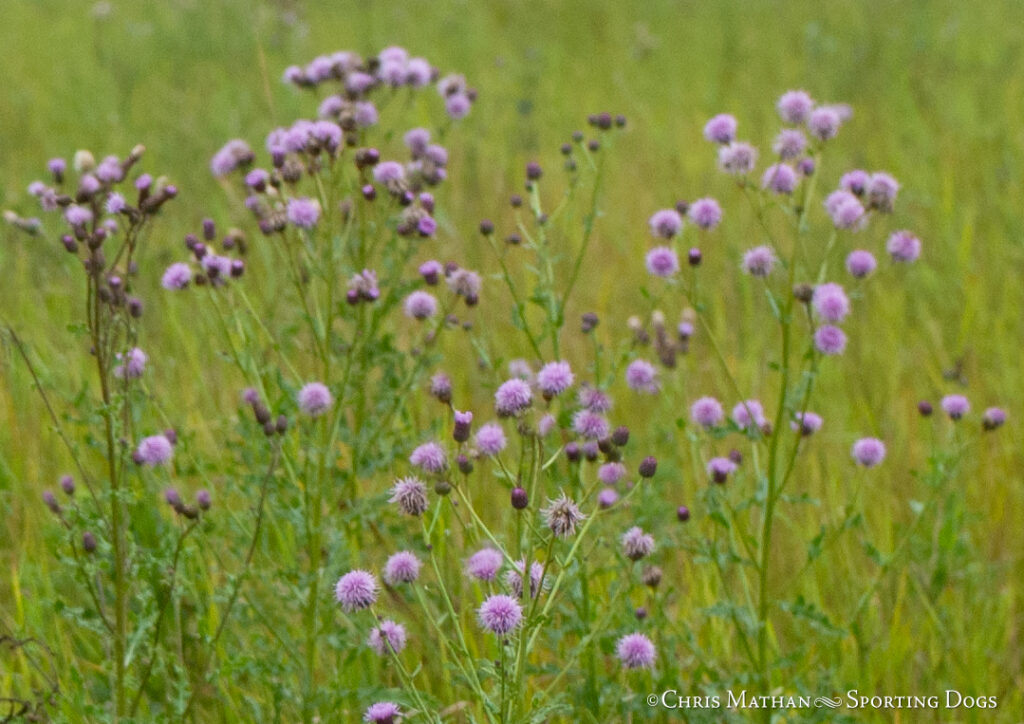
The unintended consequences: Canadian thistles, their seed carried in the hay. That seed blew on every breeze across our pastures and onto our neighbors’. Next spring they sprouted everywhere and came up thick as hair on a dog’s back. Only a hoe or mattock could remove them, a terrible job for man, boy and girl. They are still with us. Noxious.
Many bad ideas were promoted by the schools of agriculture of Land Grant Colleges, like my Alma Mater, VPI, now called Virginia Tech. One was Johnson Grass for hay in the early 19th century .
Of Mediterranean origin, Johnson Grass is noxious and invasive and overcomes all competition, and it can be deadly to horses.
A county agent gave my father the idea to plant greenbrier as a substitute for wire fencing. It proved highly effective around a small hayfield he carved out of bluegrass pasture in the middle of our hilly farm. But birds carried its seeds near and far, and soon large greenbrier brambles were growing up in neighbors’ pastures (and ours) for miles around.
Greenbrier as fencing is a very bad idea—unintended consequences.