“Pete-Bob wants to see you,” Joanne greeted Ben as he arrived at his office Friday morning after breakfast at Millie’s Diner with Sam Nixon MD.
“What about?” Ben asked, skepticism in his voice.
“Says he has a special opportunity, just wants to be sure it is legal,” Joanne said.
That was enough to peak Ben’s curiosity. He suspected the odds would be better than 50-50 the opportunity was illegal, or at least unethical. But he could not resist hearing Pete-Bob describe it. Joanne knew this would be the case, so she had told Pete-Bob to come to the office at four today, when Dr. Sam would be at Ben’s office.
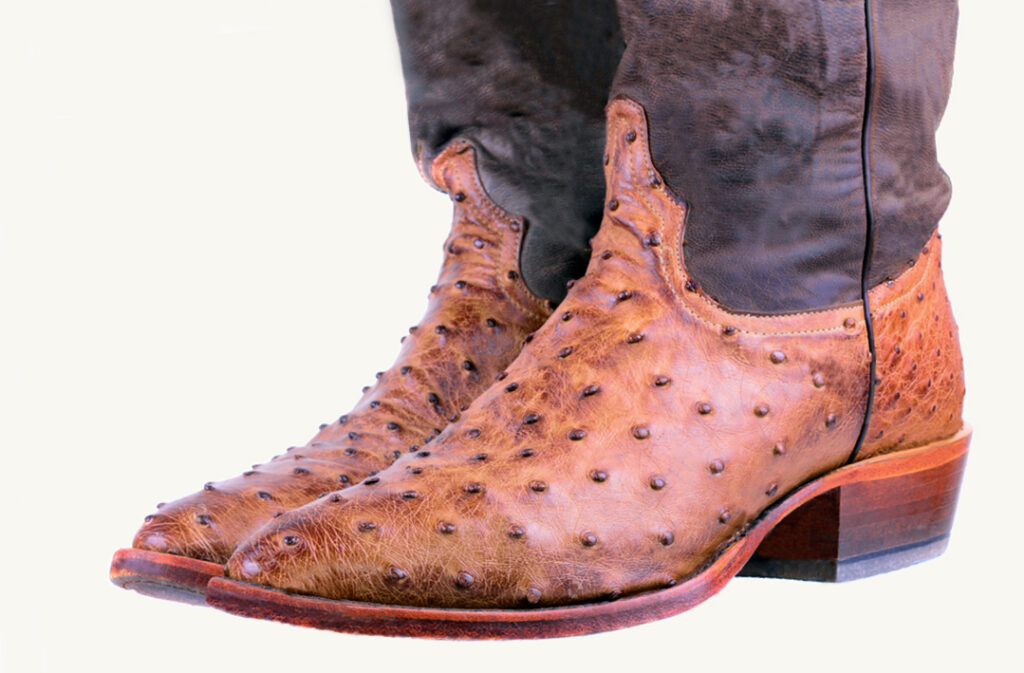
The Curmudgeons were pouring their initial drams of The Macallan when Pete-Bob arrived, dressed as usual as for a fly-fishing date, but wearing his ostrich-skin cowboy boots, his mullet haircut recently renewed.
Ben greeted him, poured him a dram of Crown Royal over ice and handed him an opened short bottle of Coca-Cola. Pete-Bob added a dollop of cola to his Crown Royal and took a seat in a Captain’s Chair.
Sam nodded recognition to Pete-Bob but said nothing.
“What is on your mind, Pete-Bob?” Ben asked.
“Mr. Ben, Dr. Sam, good afternoon. I need your advice whether an opportunity just offered me is legal,” Pete-Bob said.
“Explain,” Ben said.
“I got a call from a partner at (Pete-Bob said the name of an Atlanta plaintiff’s personal injury law firm, famous for its billboards and TV-ads proclaiming its invincibility getting big verdicts and settlements from unethical insurers).
“They offered me ‘consulting fees’ to identify individuals that DNA tests might prove are offspring of male quail plantation owners or their sons or nephews but not publicly acknowledged as such, “Pete-Bob said.
Ben immediately understood what the law firm was up to. It wanted Pete-Bob to identify individuals born to female staff of quail plantations who might have been sired by an owner, or a son or nephew of an owner, so these individuals could be solicited to become clients of the law firm and claim beneficiary status in wills or trusts that described beneficiaries as “my children,” or “my descendants” or “my issue” rather than by name. The discovery of DNA had spawned hundreds of such claims.
Ben realized Pete-Bob had just experienced a new version of ambulance chasing.
Pete-Bob knew every quail plantation employee in southwest Georgia and northwest Florida. He had made it his business to know them all his adolescent and adult years. For Pete-Bob had made his living off the quail plantation culture, starting as a kennel boy and horse and mule groom, and progressing through dog and horse trainer, hunt guide, bartender, chauffeur, plantation manager and more recently real estate salesmen, where he nowadays earned large commissions when plantation owners went broke or died or were expensively divorced or simply got tired of quail hunting.
Pete-Bob had been presented by the law firm with a chance to enrich himself by identifying men who might have suffered character failures that lead to accidental unsanctioned paternity.
Ben thought a moment, then said, “Pete-Bob, have you considered the likely effect on your real estate sales listings when the quail plantation owners crowd learns what you are up to with the law firm?”
A look of deep worry fell across Pete-Bob’s face. Ben and Sam figured Ben’s question had ended Pete-Bob’s new career as a client spotter for the law firm before it started.
Some people would have thought Pete-Bob was abetting blackmail by identifying potential clients for the law firm. On the other hand, others would have thought him a savior of victims of exploitation. But Ben’s question to him about real estate sales listings had made the issue moot.